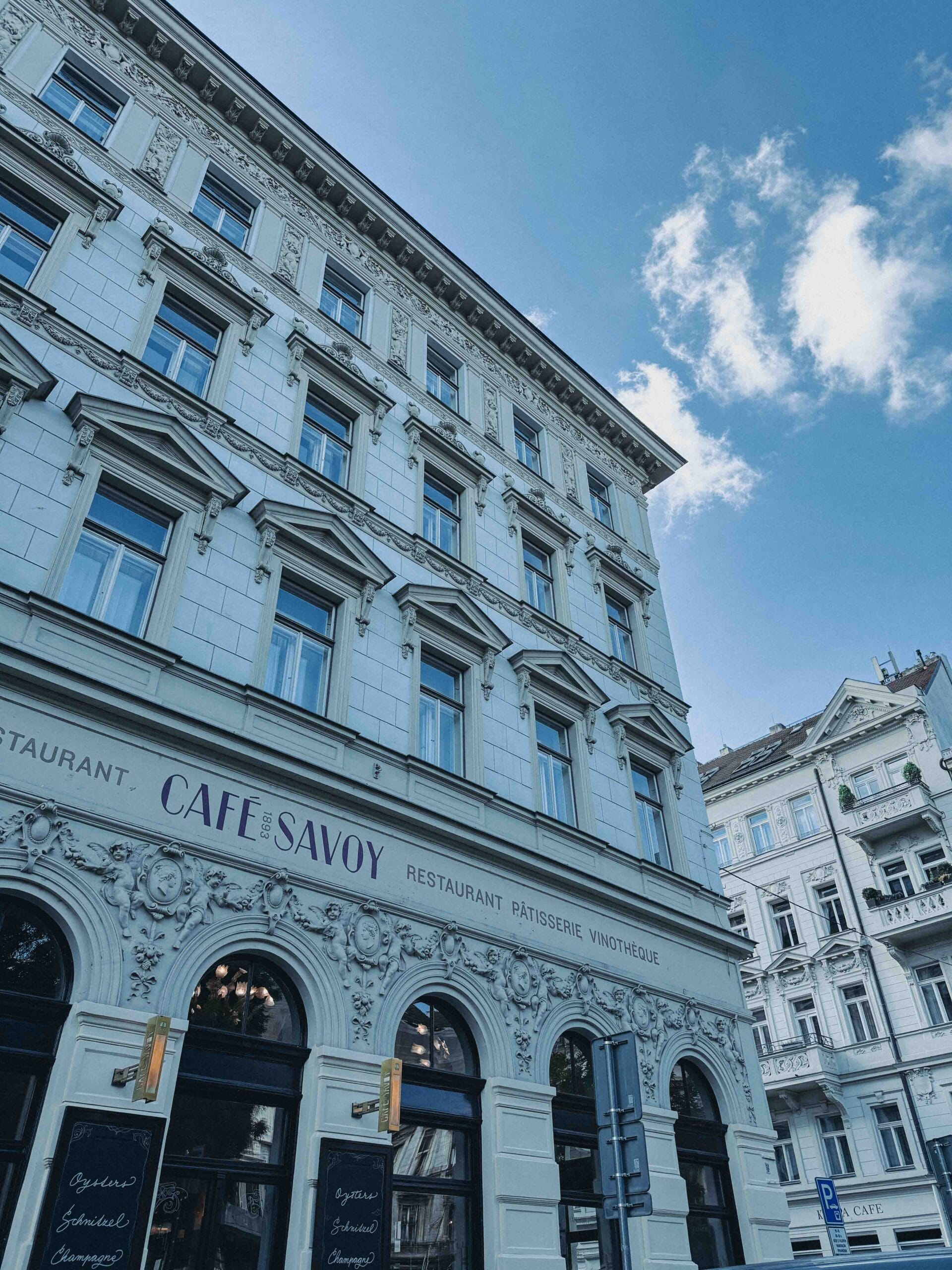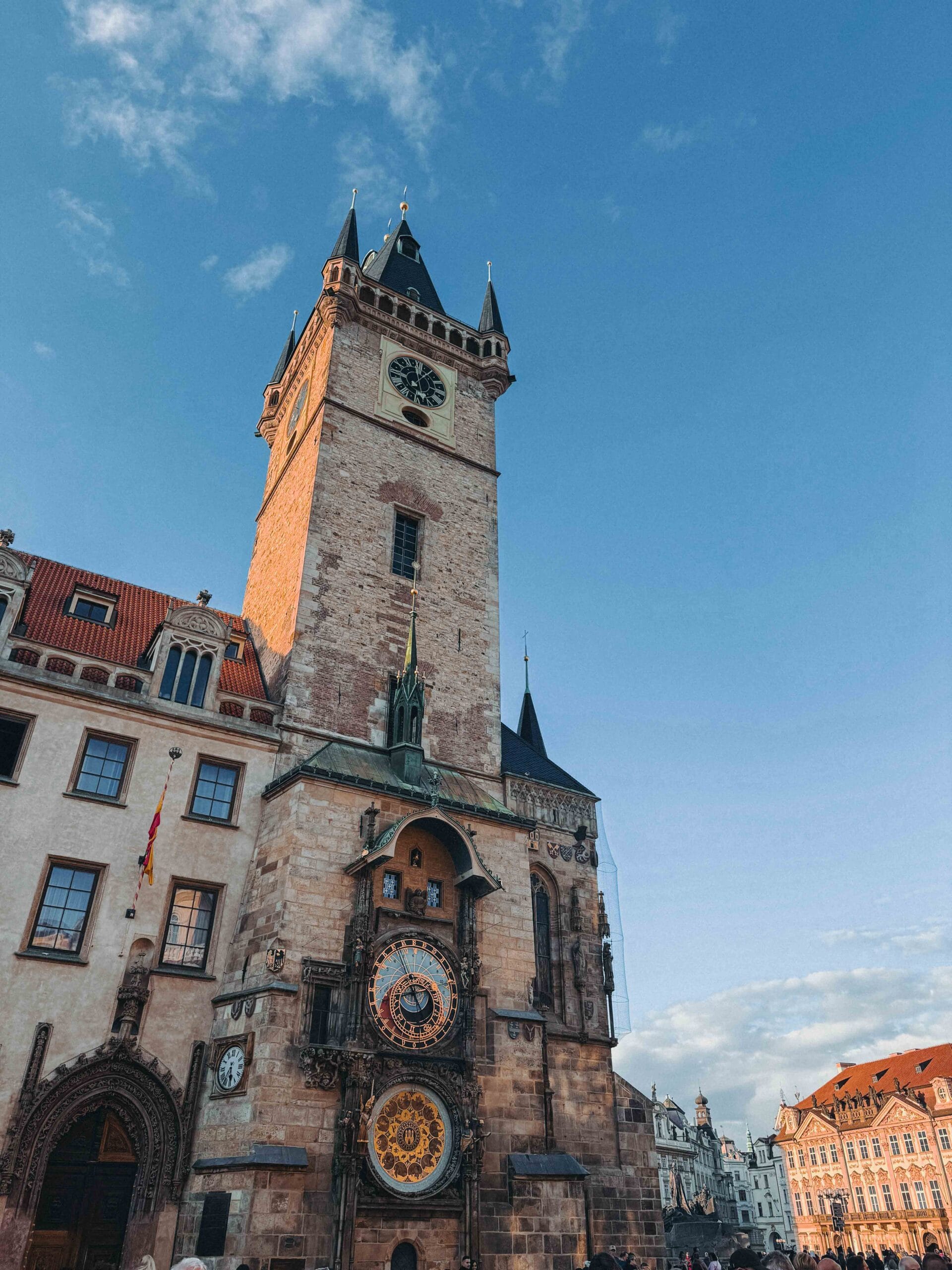
The Czech Republic, with its fairytale castles, medieval towns, and world-renowned beer culture, is one of Central Europe’s most enchanting destinations. Whether you’re exploring the cobblestone streets of Prague, discovering hidden cafés, or venturing into the Bohemian countryside, this Central European gem offers unforgettable experiences for every traveler.
This comprehensive Czech Republic Travel Guide covers everything you need to plan your Czech Republic adventure, from the best time to visit to essential travel tips and our curated collection of destination guides.
Best Time to Visit
Best Overall: April-May (Spring)
Pleasant weather (15-20°C), blooming parks, fewer crowds, and lower prices than summer.
Great Value: September-October (Fall)
Comfortable temperatures (10-18°C), beautiful autumn colors, harvest festivals, and manageable crowds.
Peak Season: June-August (Summer)
Warmest weather (20-28°C) with outdoor festivals and beer gardens, but expect largest crowds and highest prices.
Winter Charm: November-March
Magical Christmas markets and snow-covered castles, but cold weather (-5 to 5°C) and shorter days.
Quick Facts
| Language | Czech |
| Currency | Czech Koruna (Kč / CZK) |
| Time Zone | Central European Time (CET/CEST, UTC+1/+2) |
| Driving Side | Right |
| Water | Safe to drink |
| Power | Type C & E (230V, 50Hz) |
Frequently Asked Questions
The Czech Republic is generally more affordable than Western Europe. Prague is the most expensive city, but still offers good value. Budget travelers can manage on €30-50/day, while mid-range travelers should budget €70-100/day.
Absolutely! Prague is one of Europe’s most beautiful cities with stunning architecture, rich history, world-class beer, and excellent dining. It’s an essential stop on any Central Europe itinerary.
Prague alone: 3-4 days. Prague plus nearby destinations like Český Krumlov or Kutná Hora: 5-7 days. For a comprehensive Czech Republic trip: 7-10 days.
Pack layers regardless of season. Comfortable walking shoes are essential for cobblestone streets. In summer: light clothing, sunscreen, and a rain jacket. In winter: warm coat, scarf, gloves, and waterproof boots.