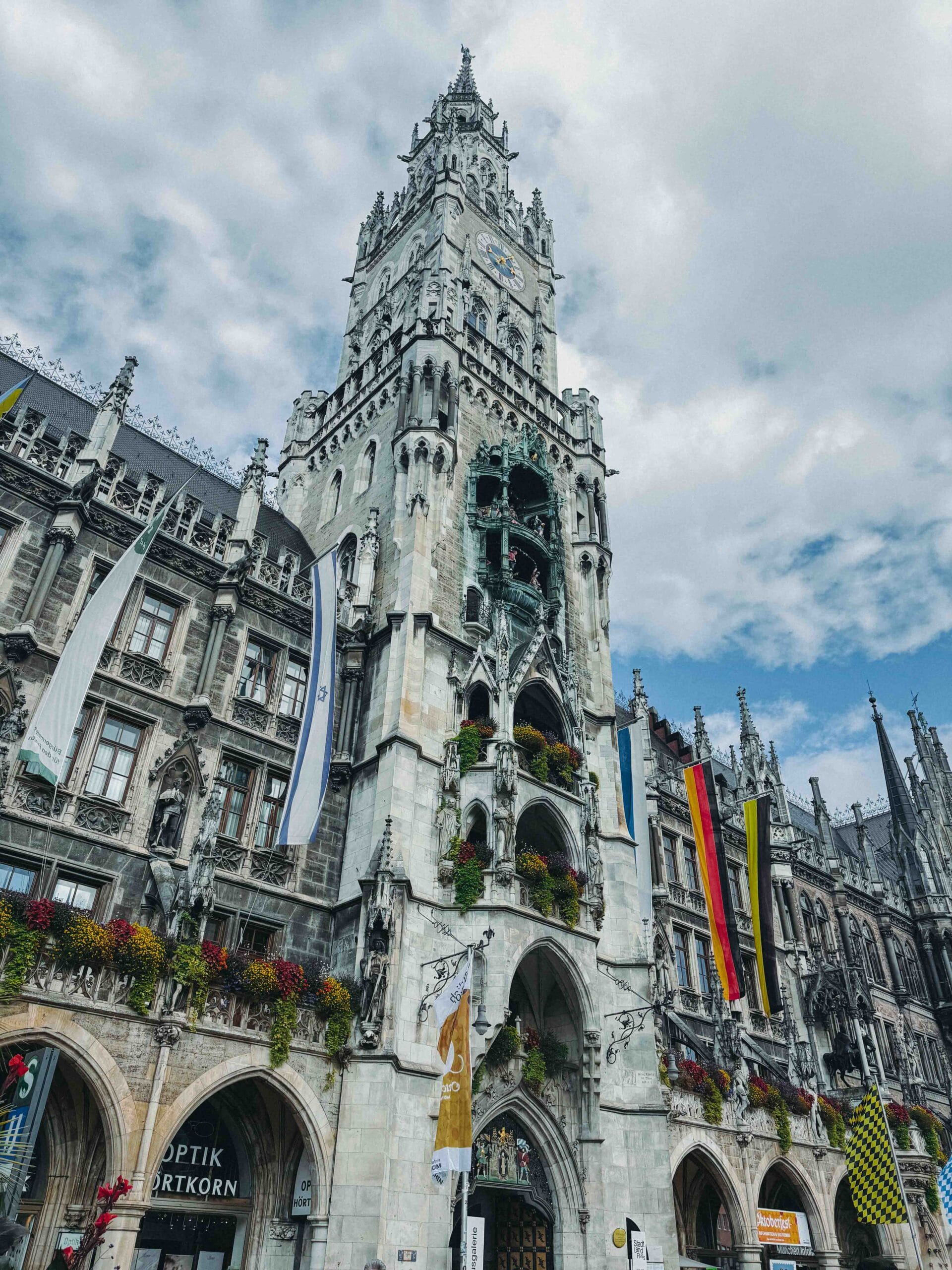
Germany, the heart of Europe, captivates travelers with its enchanting fairytale castles, world-famous beer culture, historic medieval towns, and cutting-edge modern cities. From the vibrant streets of Berlin to the romantic Rhine Valley, and from Bavaria’s Alpine peaks to the Christmas markets that transform cities into winter wonderlands, Germany offers an unforgettable blend of history, culture, and natural beauty.
This comprehensive Germany Travel Guide covers everything you need to plan your German adventure, from the best time to visit to essential travel tips and practical information.
Best Time to Visit
Best Overall: May-June (Late Spring)
Pleasant weather (15-22°C), blooming gardens, cherry blossoms, fewer crowds than summer, and comfortable temperatures for sightseeing and outdoor activities.
Great for Festivals: September-October (Early Fall)
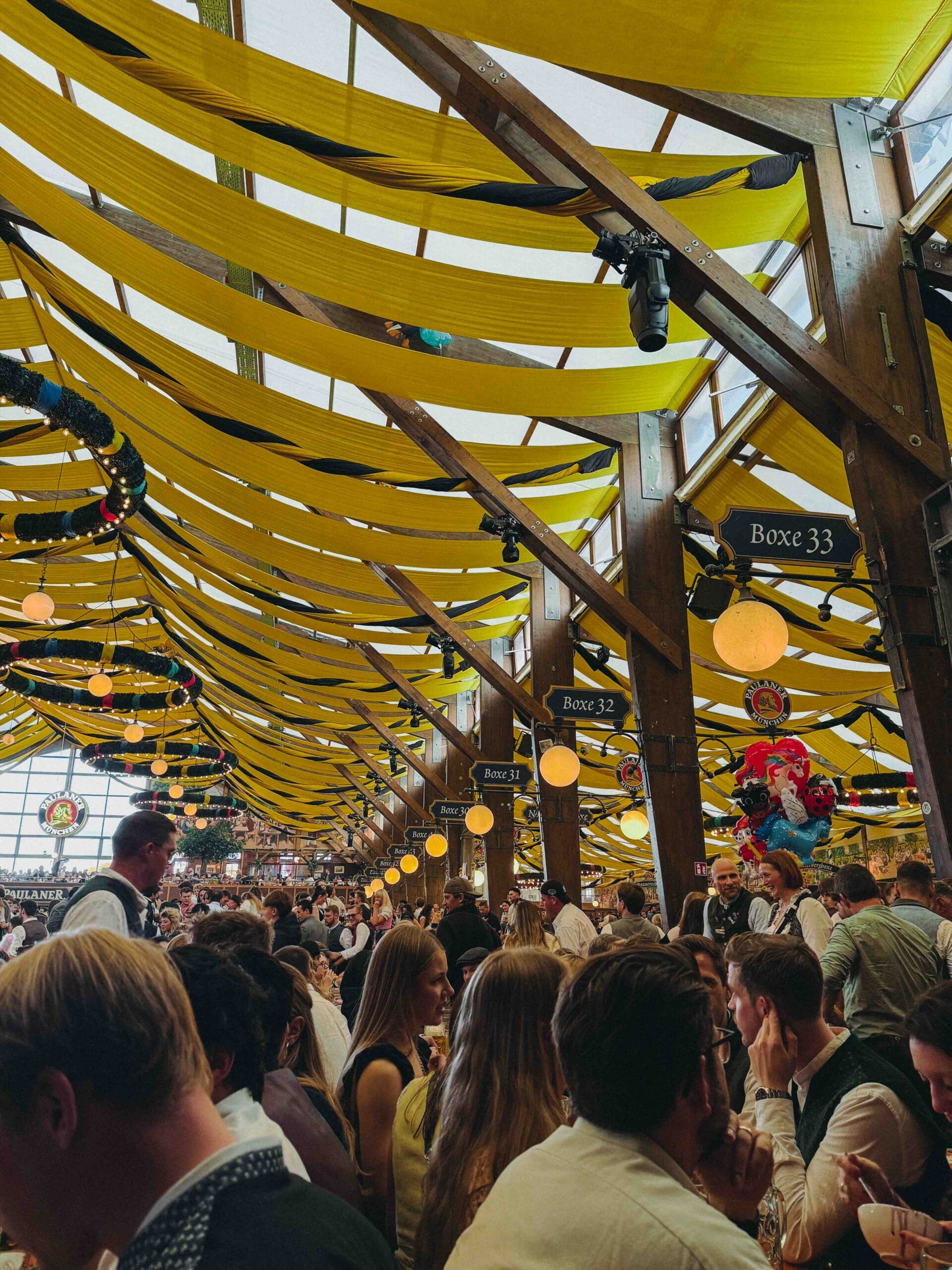
Experience Oktoberfest in Munich, wine festivals, beautiful autumn foliage, and comfortable temperatures (10-18°C) before winter arrives.
Peak Season: July-August (Summer)
Warmest weather (20-28°C) with long daylight hours, perfect for outdoor activities but expect highest prices, largest crowds, and occasional thunderstorms.
Winter Magic: December (Christmas Markets)
Experience Germany’s legendary Christmas markets (Weihnachtsmärkte), though weather is cold (0-5°C) and days are short. Book accommodations early as this is very popular.
Quick Facts
| Language | German |
| Currency | Euro (€ / EUR) |
| Time Zone | Central European Time (CET/CEST, UTC+1/+2) |
| Driving Side | Right |
| Water | Safe to drink |
| Power | Type C & F (230V, 50Hz) |
Frequently Asked Questions
Is Germany expensive?
Germany is moderately priced compared to other Western European countries. It’s more affordable than Switzerland or Scandinavia but pricier than Eastern Europe. Budget travelers can manage on €50-70/day, while mid-range travelers should budget €100-150/day.
How many days do I need in Germany?
For highlights (Berlin, Munich, Neuschwanstein): 7-10 days. For comprehensive exploration including multiple regions: 2-3 weeks. Major cities typically need 2-3 days each.
What’s the best way to travel between German cities?
Trains are the most efficient way to travel between cities. The Deutsche Bahn network is extensive and reliable. Book Sparpreis tickets in advance for significant savings. For flexibility, consider a German Rail Pass.
Is Oktoberfest worth visiting?
Yes, if you enjoy beer culture and festive atmosphere! However, Munich is extremely crowded and expensive during Oktoberfest (late September). Book hotels months in advance and arrive early to secure tent seating.
What should I pack for Germany?
Pack layers for variable weather. Comfortable walking shoes essential for cobblestone streets. Summer: light clothing, rain jacket, sunscreen. Winter: warm coat, scarf, gloves, waterproof boots. Always bring a travel adapter.